By Glen Buttler
November 5, 2026
Dealing with a non-healing injury often feels like navigating a maze of conflicting medical advice. Finding appropriate medical support becomes your most pressing priority when your body struggles to heal naturally for months. You might feel anxious about the lengthy recovery process, but understanding your clinical options helps alleviate that stress. Selecting a customized healing protocol sets the foundation for a smoother recovery and helps prevent long-term complications. The key lies in knowing what elements make a clinical program effective and safe.
Your healing journey requires a highly tailored approach rather than a generalized solution that ignores your medical history. Different complex injuries demand different therapeutic interventions, meaning evaluating various clinics requires careful consideration of their capabilities. By focusing on critical criteria like modern medical technology, staff qualifications, rigorous safety protocols, and official institutional recognition, you can make an educated decision for your health.
Explore Advanced Wound Healing Technologies
Modern medical science offers remarkable innovations designed to stimulate your body to repair itself. When evaluating a potential clinic, look closely at the specific therapeutic tools and machines available. Clinics that invest in current technologies commit to providing high-quality care and achieving positive patient outcomes. The center should use therapies that go far beyond standard bandages and topical ointments, focusing on cellular-level healing. Modern approaches address the root causes of delayed recovery.
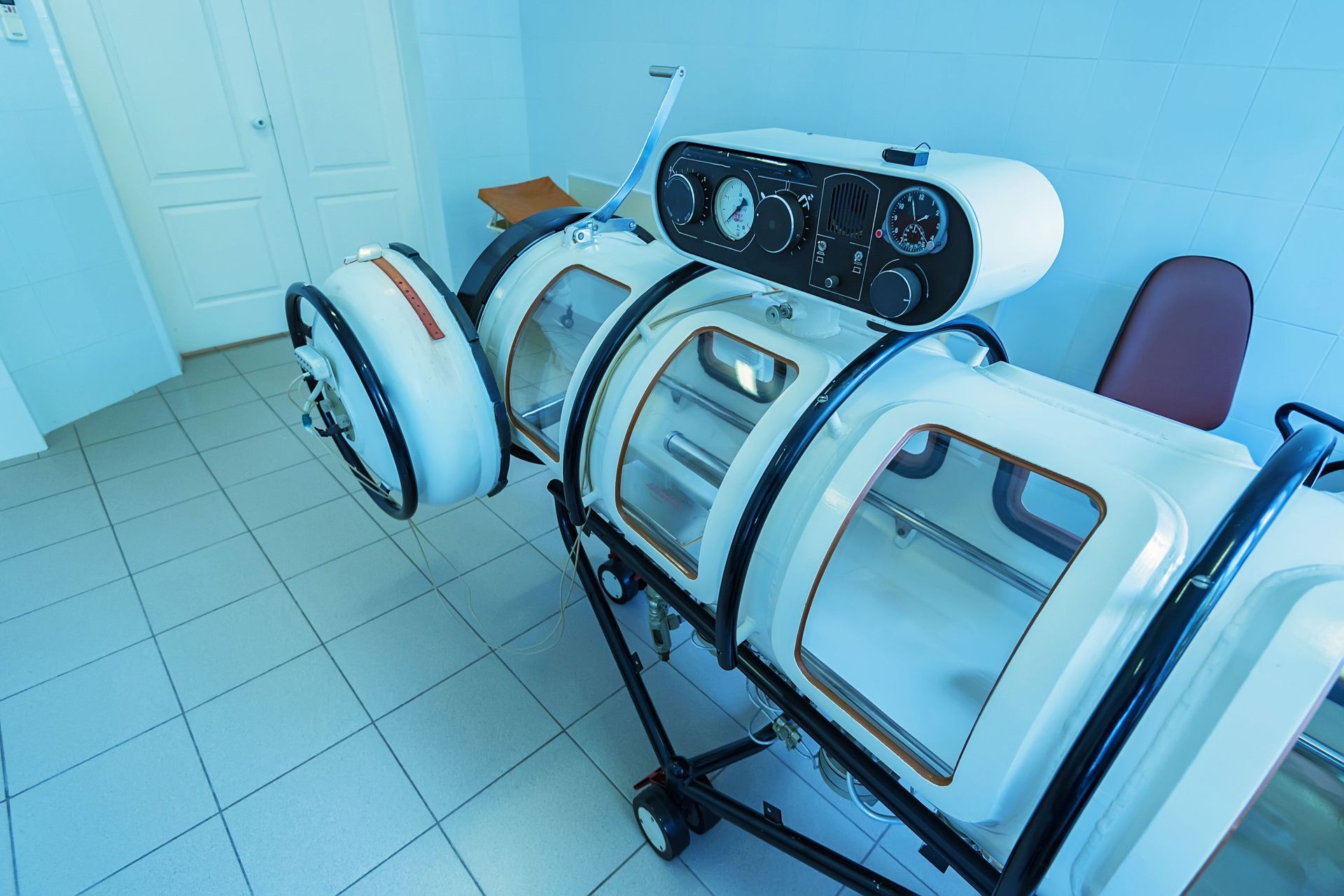
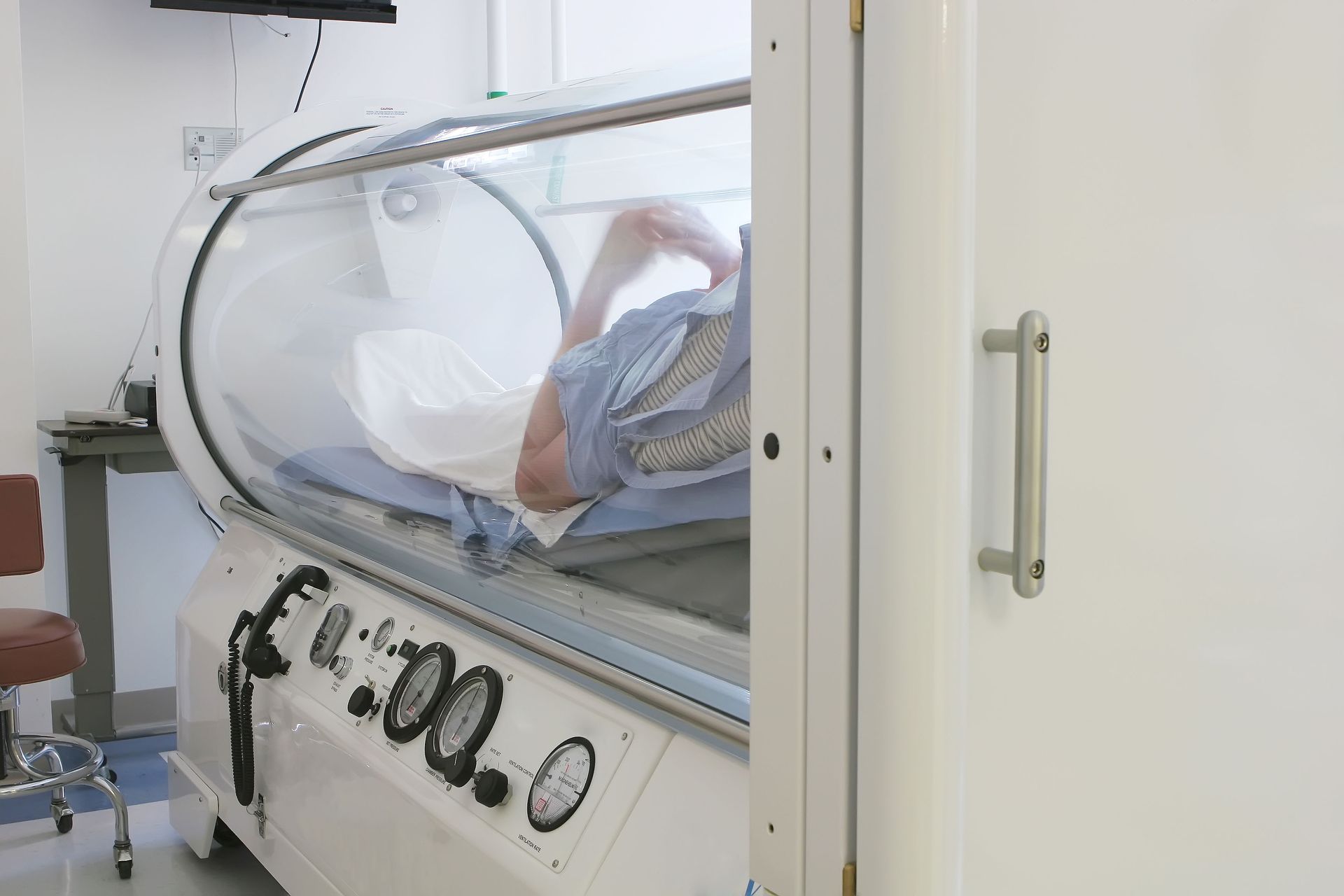
One notable advancement involves specialized chambers that deliver concentrated oxygen to your tissues. According to Cleveland Clinic, two to three times more oxygen is available under the pressure of hyperbaric oxygen therapy, which accelerates the natural healing process. This increased oxygen delivery helps fight off infections and promotes the growth of new blood vessels. Facilities offering this caliber of intervention show they're equipped to handle complex cases that haven't responded well to conventional methods.
Beyond oxygen therapy, exceptional clinics utilize negative pressure therapies that draw out excess fluids while promoting improved blood flow to the affected region. These advanced vacuum-assisted devices create an ideal environment for tissue repair. You might also find facilities offering synthetic skin grafts that jump-start the regenerative cycle. Finding a robust wound care treatment plan means identifying a facility that provides a diverse array of modern healing modalities, allowing them to adapt their approach if your initial response proves slow.
Verify the Expertise of Medical Staff
The sophisticated equipment found in modern clinics only proves effective when operated by qualified medical professionals. Your recovery relies heavily on the specialized knowledge of the doctors and nurses managing your daily care. Look for clinical teams that hold dedicated certifications in tissue viability and complex injury management. These specialized credentials indicate that the providers have undergone rigorous extra training beyond their general medical degrees. Superior care demands superior professional education.
A reliable wound care treatment plan involves a collaborative, multidisciplinary approach rather than relying on a single physician. Your ideal care team should include specialists from various fields like infectious disease, vascular surgery, podiatry, and physical therapy. This collaborative model ensures every aspect of your health gets evaluated by an expert focusing on different physiological systems. When multiple specialists review your progress collectively, they can identify subtle warning signs early and adjust your protocol accordingly.
You should also inquire about the ongoing educational requirements mandated for the nursing staff and support technicians. Tissue regeneration science evolves rapidly, so you want your care provided by professionals who stay informed about emerging research and updated clinical protocols. Centers that prioritize continuous learning for their staff will naturally integrate newer, safer, and more effective techniques into your daily routine. Healing a chronic condition takes time, so you want a knowledgeable team that treats you as an active partner.
Prioritize Strict Equipment and Safety Standards
When dealing with open injuries or compromised skin barriers, your vulnerability to secondary infections increases. Evaluating a prospective clinic's infection control protocols is a non-negotiable step in your selection process. The environment should appear spotless and highly organized from the waiting room to the treatment bays. Staff members should transparently practice rigorous hand hygiene and utilize fresh personal protective equipment for every single patient interaction.
The facility must also demonstrate a flawless track record regarding the maintenance of its therapeutic machines. Devices like oxygen chambers and negative pressure pumps require frequent calibration and meticulous servicing to function safely. Feel comfortable asking the clinic administrator how often their biomedical engineering team inspects their primary healing equipment. A high-quality facility will readily share maintenance schedules and demonstrate pride in their rigorous operational standards, reinforcing your confidence in their management practices.
Safety standards also encompass the emergency response protocols the clinic has established for unexpected medical events. Even with a carefully mapped-out wound care treatment plan, unexpected reactions or sudden shifts in your vital signs can occur during therapy sessions. The facility should have up-to-date emergency resuscitation equipment and employ staff members actively certified in advanced life support techniques. Knowing the team can handle sudden complications provides invaluable peace of mind as you undergo intensive and frequent regenerative therapies.
Confirm Clinical Facility Accreditation
Official accreditation serves as a powerful indicator of a facility's commitment to excellence. When a clinic holds recognition from respected national healthcare organizations, it means they voluntarily subjected their operations to intense external scrutiny. Accrediting bodies evaluate everything from patient outcomes to safety protocols. Choosing a recognized facility ensures the clinic consistently meets or exceeds strict national guidelines, providing a higher baseline of quality assurance throughout your recovery.
You can usually find a clinic's accreditation status displayed prominently on their official website or posted near their physical reception desk. If you can't easily locate this information, ask the facility director to provide proof of their current standing with major healthcare oversight organizations. A transparent clinic will eagerly discuss how their certifications translate into superior care. Facilities that shy away from these questions might lack the structural integrity required to manage difficult medical cases.
Checking for disease-specific certifications can guide you toward centers that specialize in your particular condition. If your injury stems from diabetic complications, finding a center recognized for diabetic ulcer management yields positive results. A tailored wound care treatment plan becomes much more effective when executed in a facility that has proven its capability to handle your specific underlying health conditions. Verifying these credentials ensures your time and resources are invested in a capable healing environment.
Navigating the healthcare system to find the right therapeutic match is daunting, but by taking a proactive approach and evaluating a clinic's technological capabilities, staff expertise, safety protocols, and accreditation status, you can take better control of your health. A comprehensive wound care treatment plan is a collaborative effort between you and your medical providers, requiring open communication and a shared commitment to your goals.
Healing from a severe injury takes patience and the right professional environment. You owe it to yourself to ask difficult questions and demand high standards from the professionals tasked with your care. Don't settle for a facility that fails to meet these criteria, as your long-term mobility depends on the results. With careful research and a focus on these essential areas, you'll find a specialized team ready to support you every step of the way.
Reach out to Life Support Technologies Group today to schedule a consultation and start a customized wound care treatment program tailored to your recovery goals.