By Glen Buttler
October 5, 2026
If your doctor has recommended hyperbaric oxygen therapy, you probably have a few questions. What happens inside the chamber? Will it hurt? How long will it take? It's normal to feel a little uncertain before trying a new treatment, and knowing what lies ahead can make your first appointment much more comfortable.
Hyperbaric oxygen therapy involves breathing 100% oxygen inside a pressurized chamber. Under these conditions, oxygen dissolves into the blood and reaches tissues throughout the body, instead of relying only on red blood cells to carry it. This extra oxygen supports white blood cells as they fight bacteria, helps reduce swelling, and encourages new blood vessels to form. For patients dealing with non-healing wounds, delayed radiation injuries, compromised skin grafts, and other qualifying conditions, a hyperbaric treatment service can be a valuable part of recovery.
Below, we walk through each stage of a typical session, from preparation to aftercare, so you can arrive informed and confident.
Preparing for Your First Appointment
Preparation begins well before you step into the chamber. Most patients are referred by a physician who has determined that hyperbaric therapy fits their medical needs. Before your first session, the care team will review your health history, current medications, and any conditions that could affect treatment, such as recent ear surgery, lung problems, or a cold or sinus congestion.
This screening is one of the clearest examples of why working with trained professionals matters. A reputable hyperbaric treatment service evaluates every patient carefully to confirm that therapy is safe and appropriate for their situation. Follow any instructions your team gives you about eating, medications, and smoking, since tobacco and nicotine can reduce how much oxygen your blood is able to carry.
On the day of treatment, plan to dress comfortably. Many facilities provide cotton garments for patients to wear inside the chamber. Because the chamber is an oxygen-rich environment, items such as lighters, electronic devices, hand warmers, and certain lotions, hair products, or cosmetics are typically not allowed. Your team will give you a specific list of what to leave behind, and following it closely is an important part of keeping everyone safe.
Arriving and Meeting Your Care Team
When you arrive, a staff member will check you in and take your vital signs, such as blood pressure, heart rate, and temperature. If you have diabetes, your blood sugar may also be checked, since hyperbaric therapy can lower glucose levels.
This is a great time to ask questions. Experienced technicians and nurses are used to helping first-time patients feel at ease, and they can explain exactly how the equipment works. A professional hyperbaric treatment service will also make sure you know how to communicate with staff throughout the session, whether through an intercom, a viewing window, or both.
It also helps to understand the time commitment. According to Cleveland Clinic, hyperbaric oxygen therapy is typically provided on an outpatient basis, and each session generally runs one to two hours. Because many treatment plans involve a series of visits, flexible scheduling can make it much easier to stay on track without disrupting work, family, or other responsibilities.
Entering the Hyperbaric Chamber
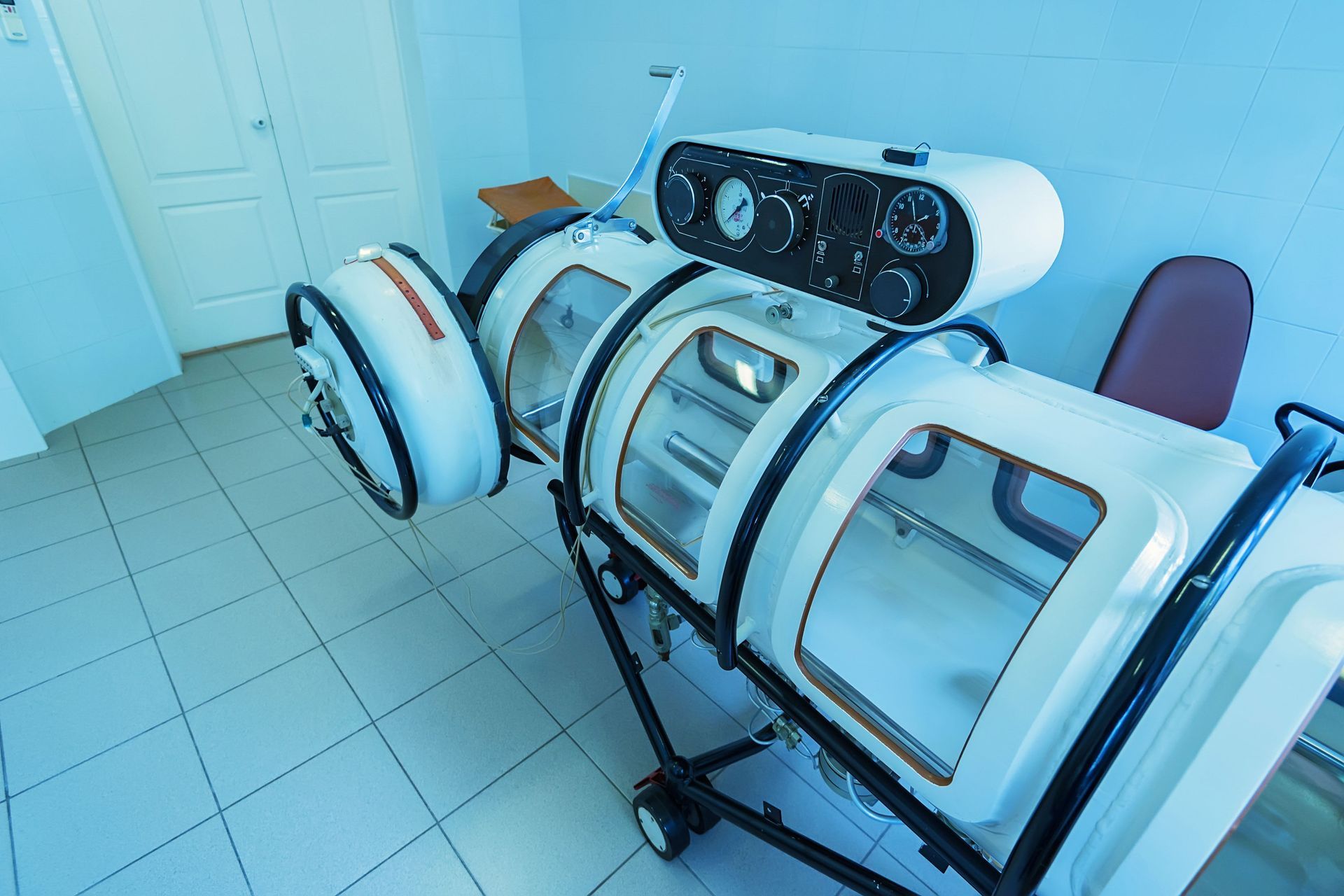
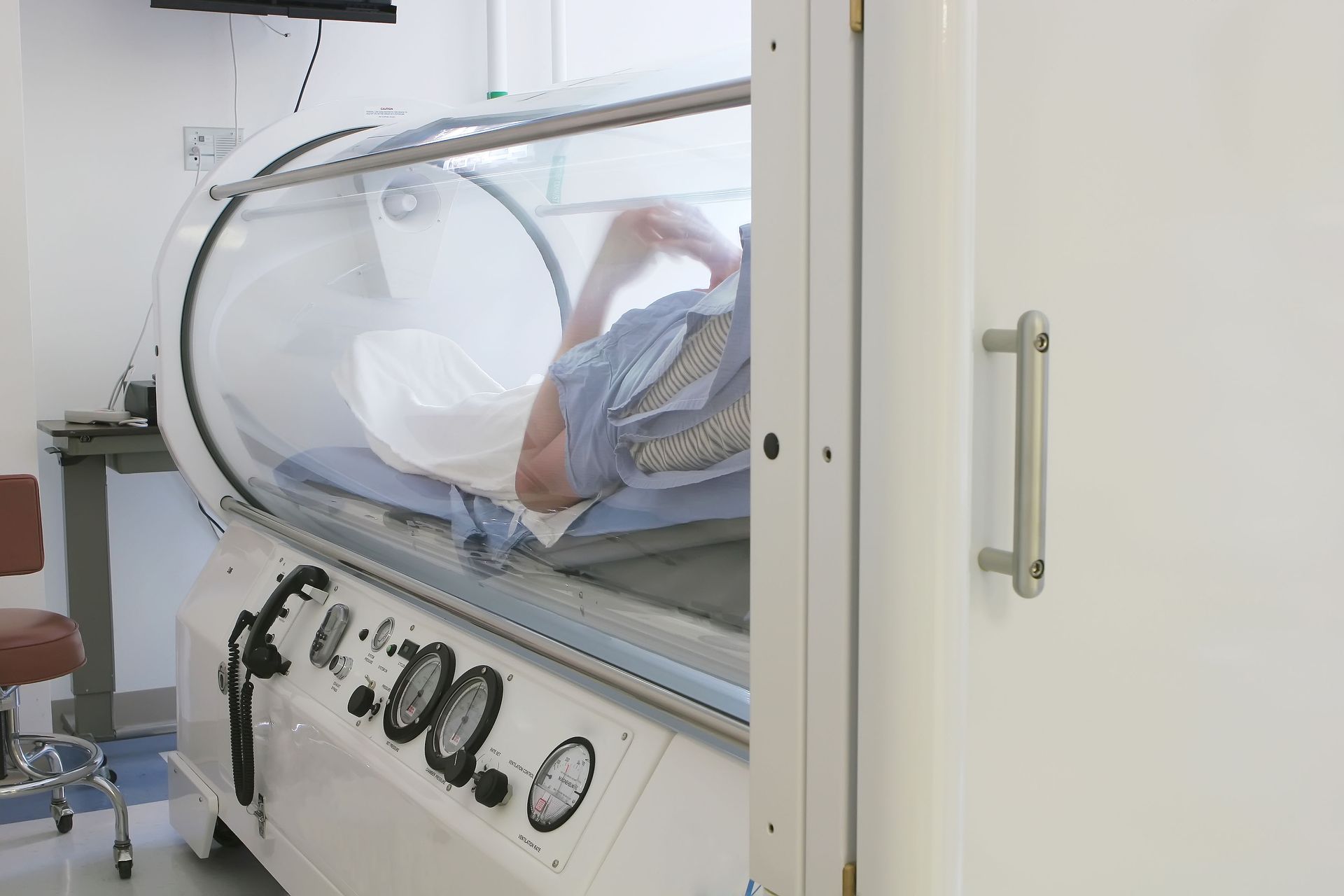
Hyperbaric chambers come in two main types. A single-patient chamber is a clear, tube-shaped unit where you lie on a padded table that slides inside. A multi-patient chamber is a larger room where several people can sit or recline together, usually breathing oxygen through a mask or hood.
Many patients worry about feeling confined, particularly in a single-patient chamber. Modern chambers are designed with this concern in mind. Clear walls allow you to see outside, and climate-controlled environments help keep you comfortable for the length of the session. If you experience claustrophobia, let your team know ahead of time. A skilled hyperbaric treatment service can offer strategies to help you relax, and staff will remain in contact with you the entire time.
Feeling the Pressure Change
Once the chamber is sealed, the pressure gradually increases. This phase, called compression, usually produces the most noticeable sensation of the session: a feeling of fullness in your ears, similar to what you might notice during an airplane descent or at the bottom of a swimming pool.
Your team will teach you simple techniques to relieve this pressure, such as swallowing, yawning, or gently pinching your nose and blowing with your mouth closed. If your ears become uncomfortable, tell the technician right away. They can slow or pause pressurization until you feel better. This kind of real-time adjustment is only possible when trained professionals are watching the session closely, which is why choosing a qualified hyperbaric treatment service is so important.
You may also notice the chamber feels slightly warmer during compression. This is completely normal and passes quickly.
Breathing Pure Oxygen During Treatment
Once the chamber reaches the prescribed pressure, the main portion of treatment begins. From here, you simply breathe normally while your body takes in the concentrated oxygen. The therapy is non-invasive and painless, and many patients find this part of the session surprisingly relaxing.
Depending on your treatment plan, your team may schedule short air breaks, during which you breathe regular air for a few minutes. These breaks are a routine safety measure that helps reduce the risk of side effects from extended oxygen exposure. Your care team determines the timing based on established medical protocols, so there's nothing you need to track on your own.
Throughout this phase, staff members monitor both your condition and the chamber's performance. If anything needs attention, they can respond immediately. That level of oversight is a major reason why hyperbaric oxygen therapy should only take place under the supervision of qualified medical professionals.
Staying Comfortable Throughout the Session
Since sessions can last a while, it helps to think of this time as a chance to rest. Many patients nap, listen to music, watch a program on a screen outside the chamber, or chat with staff over the intercom. Whatever you choose, the goal is to stay calm and still while the oxygen does its work.
If something doesn't feel right, speak up. Let your technician know about any ear or sinus pain, anxiety, changes in vision, lightheadedness, or other unusual sensations. A responsive hyperbaric treatment service treats patient communication as a top priority and will never expect you to simply push through discomfort. Being open with your team helps them keep each session safe and effective.
Returning to Normal Pressure
As the session comes to a close, the chamber slowly returns to normal atmospheric pressure. This phase is called decompression. You may feel your ears pop again, and the chamber may feel a bit cooler. Like compression, this process is gradual and carefully controlled by your technician.
Once the pressure has fully normalized, the chamber is opened and staff will help you out. Your vital signs may be checked once more, and your team will make sure you feel steady before you leave. This is also a good opportunity to mention anything you noticed during treatment so it can be noted in your records.
Recovering After Your Session
Most patients return to their normal activities right after treatment. Some people feel a little tired or lightheaded, or notice lingering fullness in their ears, but these effects usually fade quickly. Some patients who complete multiple sessions notice temporary changes in their vision, which typically resolve after the full course of treatment ends. Always report persistent or worsening symptoms to your care team.
It's also helpful to remember that hyperbaric therapy is usually an adjunctive treatment. That means it works alongside your overall care plan, which may include wound care, nutrition changes, and other therapies. A hyperbaric treatment service that coordinates with your referring physician can track your progress and share updates, so your broader treatment strategy can be adjusted based on how your body responds.
If you're ready to explore hyperbaric oxygen therapy, we're here to help. At Life Support Technologies Group, we offer state-of-the-art, climate-controlled chambers, flexible scheduling, and a vast hospital network throughout Connecticut, New Jersey, and New York. Our trained wound care and hyperbaric professionals work closely with your physician to support your recovery every step of the way. Contact us today to find a provider near you and take the next step toward better health.