By Glen Buttler
September 1, 2026
Elevated atmospheric pressures enhance physiological oxygen delivery to bodily tissues, unlocking significant therapeutic potential across multiple medical and industrial disciplines. Initially developed to address decompression sickness in deep-sea divers, modern clinical protocols now target accelerated tissue regeneration, complex wound management, and neurological recovery. As healthcare systems evolve, evaluating how ongoing technological advancements in hyperbarics influence market demand reveals a rapidly expanding field. Practitioners and equipment manufacturers alike recognize that integrating advanced pressure delivery platforms transforms patient outcomes while redefining standard care models across contemporary healthcare facilities worldwide.
The current clinical landscape showcases an effective fusion of traditional engineering principles and sophisticated biological monitoring tools. This technological intersection reinforces the importance of specialized pressure therapies as vital components of modern medicine. Examining vessel design, regulatory standards, operational hurdles, and financial projections illuminates the promising trajectory ahead for clinical healthcare providers. Stakeholders must understand these multifaceted factors to capitalize on emerging market opportunities and drive clinical adoption across diverse patient populations.
Examining Current Technological Landscapes
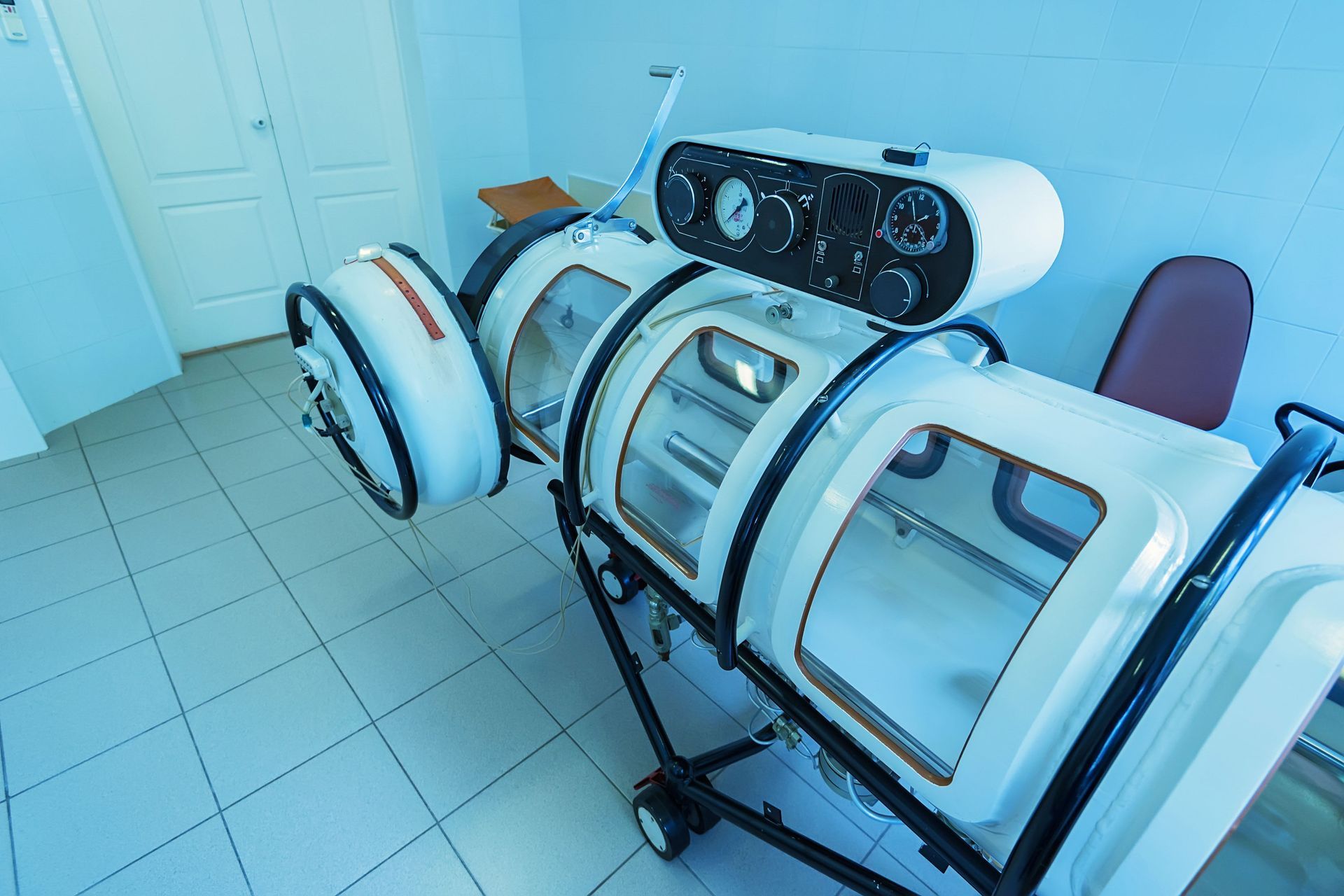
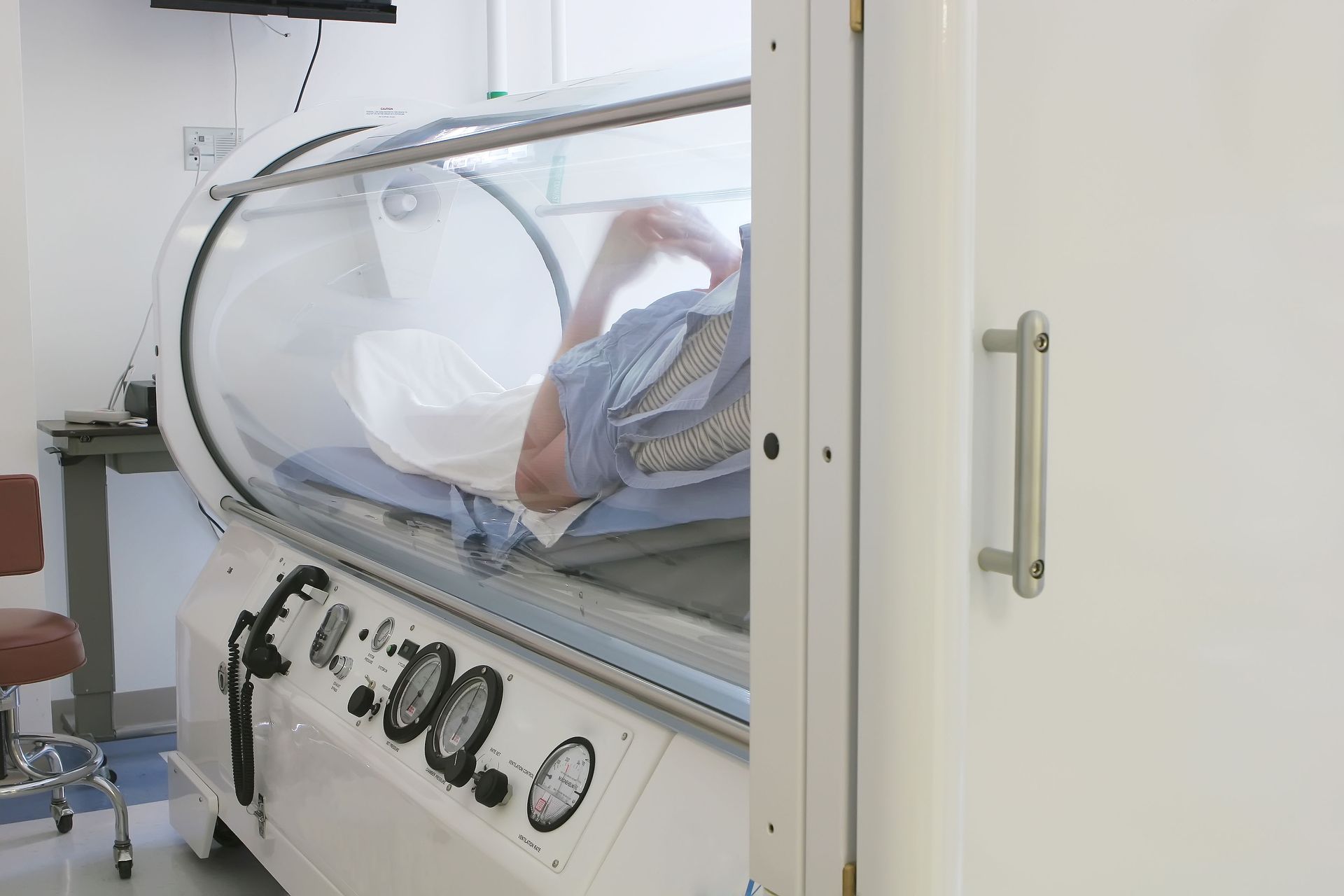
Specialized pressurization vessels provide the primary structural foundation for delivering elevated oxygen levels, allowing body tissues to absorb heightened gas concentrations for accelerated healing. Early monoplace systems built for single individuals have progressively expanded into multi-place vessel configurations capable of accommodating multiple patients simultaneously. Engineering refinements focus on optimizing internal environment controls, enhancing overall patient comfort, and maximizing operational safety during therapeutic sessions. These structural improvements enable healthcare facilities to expand treatment offerings while maintaining consistent clinical performance across varied medical settings.
Industry manufacturers continuously drive innovation through state-of-the-art vessel designs, emphasizing robust safety features and intuitive operational mechanics. Leading engineering firms expand their global footprint by establishing strategic collaborations with major healthcare networks and research institutions. Adherence to strict regulatory guidelines established by global health authorities validates structural integrity and therapeutic quality across all clinical environments. This ongoing commitment to safety and quality assurance fosters widespread trust among medical practitioners utilizing hyperbarics in daily clinical workflows.
Expanding Innovative Medical Applications
Therapeutic applications now extend far beyond original deep-sea decompression uses, demonstrating remarkable efficacy in accelerating wound repair and cellular regeneration. High oxygen concentrations within damaged tissues stimulate angiogenesis, promote collagen synthesis, and suppress severe bacterial growth in chronic wounds. Diabetic patients suffering from non-healing vascular ulcers experience substantial clinical improvement, leading to lower complication rates and improved overall quality of life. Integrating specialized gas delivery into comprehensive wound management protocols establishes a reliable new standard for patient recovery.
Research into neuroprotective benefits represents an exciting frontier, as clinical investigations highlight possibilities for enhancing cognitive recovery and tissue plasticity following brain injuries. Experimental protocols actively evaluate therapeutic potential for complex systemic conditions, chronic fatigue syndromes, and post-traumatic stress disorders. Parallel developments in veterinary medicine adapt these same physiological principles to treat severe injuries and surgical recovery in animal patients. Broadening therapeutic research solidifies hyperbarics as a versatile clinical solution across diverse biological disciplines.
Refining Chamber Design and Architecture
Modern chamber engineering increasingly incorporates lightweight composite materials to enhance structural durability while reducing overall vessel weight. Enhanced composite structures maintain high internal pressures without requiring massive steel housing, making equipment delivery and installation significantly easier for varied healthcare facilities. Improved thermal insulation properties within composite walls maintain stable internal temperatures during extended sessions, minimizing patient discomfort. These structural innovations eliminate physical deployment barriers, encouraging widespread facility integration without sacrificing operational safety.
Automation and digital interface technology streamline vessel operations, reducing human error while enabling precise control over treatment parameters. Integrated software solutions display real-time patient vitals and environmental metrics directly to operators, facilitating immediate adjustments during active therapeutic protocols. Mobile equipment designs support rapid deployment during emergency response operations, military interventions, or remote field clinic settings. Elevating operational flexibility and user-friendly automation transforms specialized pressure delivery into a readily accessible intervention across dynamic operational environments.
Evaluating Market Growth and Financial Trends
According to openPR, the global hyperbaric oxygen therapy market size reached USD 3.2 billion in 2022 and is projected to reach USD 6.7 billion by 2031. This strong economic trajectory highlights expanding recognition among medical professionals, broader insurance coverage options, and growing demand for non-invasive therapeutic interventions. Increasing investment in multi-center clinical trial validation and research infrastructure continues to accelerate market expansion across major international regions. Commercial growth reflects solid confidence in pressure therapies as viable clinical modalities.
Energy-efficient design elements and automated atmospheric controls substantially lower daily operational expenditure for healthcare institutions. Lower energy consumption and streamlined maintenance routines allow medical centers to maintain long-term financial sustainability while delivering continuous high-quality patient care. Demonstrating clear cost-effectiveness reassures healthcare executives contemplating initial capital investments in clinical hyperbarics equipment. Combining positive patient outcomes with economic viability drives continued market adoption across public and private healthcare systems worldwide.
Overcoming Operational and Strategic Barriers
Initial capital expenditures required for specialized vessel procurement and facility modification present financial hurdles for smaller medical practices and rural clinics. High upfront costs can delay equipment acquisition, particularly within emerging markets where healthcare budgets face severe allocation constraints. Industry leaders mitigate these economic barriers by introducing flexible equipment leasing arrangements, regional manufacturing networks, and targeted public-private funding initiatives. Strategic financial models ensure that geographic and budgetary limitations do not restrict access to advanced medical equipment.
Harmonizing international regulatory frameworks remains essential for establishing consistent equipment standards and clinical safety protocols across global markets. Comprehensive training programs prepare healthcare personnel to operate sophisticated pressure vessels safely while adhering strictly to regional medical standards. Rigorous compliance procedures mitigate equipment risk and protect patient welfare across all treatment facilities. Unifying operational standards across national borders builds sustained confidence among medical practitioners integrating hyperbarics into mainstream healthcare delivery.
Forecasting Future Clinical Trajectories
Integrating artificial intelligence platforms and predictive analytical tools into vessel management systems promises to revolutionize personalized treatment administration. Advanced algorithms evaluate patient physiological responses in real time, automatically adjusting pressure and gas concentration levels to optimize therapeutic efficacy. Tailoring treatment parameters to specific patient needs reduces overall session durations while maximizing cellular recovery rates. Data-driven automation establishes new benchmarks for precision medicine, ensuring optimal outcomes across complex clinical cases.
Ongoing clinical research continues to uncover novel biological pathways, inspiring collaborative partnerships between academic medical centers and technology developers. Accelerating translation from laboratory experimentation to bedside clinical practice expands therapeutic indications and broadens long-term market adoption. As research proves effectiveness across new medical frontiers, advanced pressure delivery will solidify its role within modern health systems. Sustained innovation ensures hyperbarics remains an essential component of progressive healthcare technology.
Technological progress, expanding medical applications, and favorable market dynamics combine to position specialized pressure therapies for significant future growth. Upgrades in composite vessel materials, digital automation, and real-time patient monitoring continue to improve safety standards while expanding access across diverse clinical environments. Overcoming financial and regulatory hurdles enables healthcare providers to offer advanced therapeutic options to patients seeking effective, non-invasive recovery solutions. The continuous evolution of research in hyperbarics promises to unlock even greater clinical utility across medical disciplines.
As the medical community embraces these innovative solutions, strategic partnerships between healthcare providers and equipment specialists will drive continuous improvement in patient care. Investing in advanced pressurized systems allows clinical facilities to deliver superior outcomes while maintaining economic sustainability. To explore how cutting-edge atmospheric equipment can elevate your facility's clinical capabilities and transform patient care, we invite you to partner with us at Life Support Technologies Group.